Professional stump grinding in Halifax
Stump grinding is the most common residential way to reclaim a Halifax yard after a tree comes down. A commercial cutting wheel chips the stump—and often the near-surface root flare—to a depth you choose with the crew. The visible obstacle disappears. Grass, mulch, or a new planting bed can cover the spot without the weeks of disruption that come with excavating an entire root ball.
This guide explains how grinding works, how deep is deep enough, what access looks like on tight HRM lots, and when you should skip grinding for full excavation. Ask for depth, chips, and access details in writing before work starts.
What grinding does (and does not do)
Grinding destroys the stump mass in place. It leaves a cavity filled with wood chips mixed with soil. Lateral roots farther from the stump usually remain. That is fine for lawns and most garden beds. It is a problem under concrete, because organics rot, create voids, and invite settling. If your end use is a driveway, garage slab, or house pad, say so early—excavation or a hybrid plan is the honest recommendation in those cases.
- Good fit: open lawn, ornamental beds, play areas, sale prep, most residential replanting
- Poor fit alone: structural fill under slabs, strict organic-free envelopes, some septic or utility conflict zones
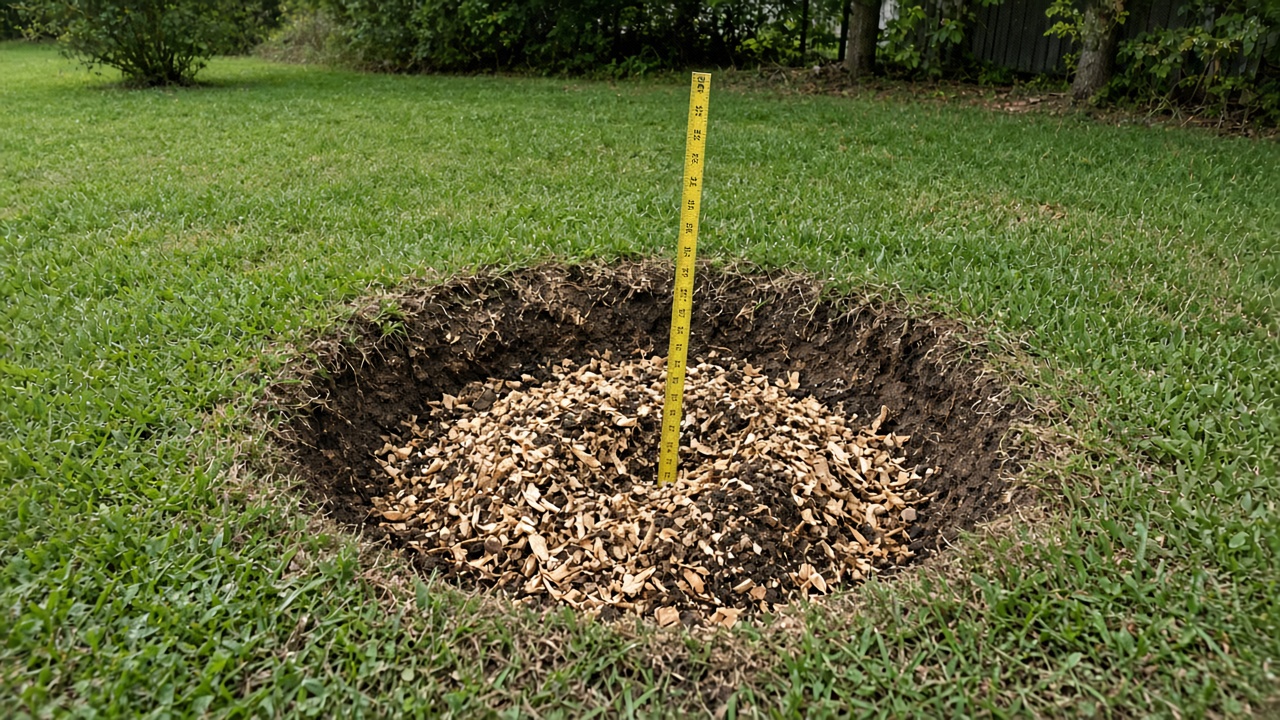
How deep should a stump be ground?
A Halifax-area competitor FAQ cites roughly four to six inches below grade for clean grass or mulch cover, with deeper grinding when you plant directly over the spot. Other residential scopes call for about six to twelve inches. Deeper is not automatically better: more depth means more chips, more time, and sometimes more haul volume. Match depth to end use and put the number on the written estimate.
Measure diameter at ground level, not at a high saw cut. Quotes that use the wrong measurement understate the job. Photos from two angles plus a tape or shoe for scale help a lot.
Access on Halifax lots
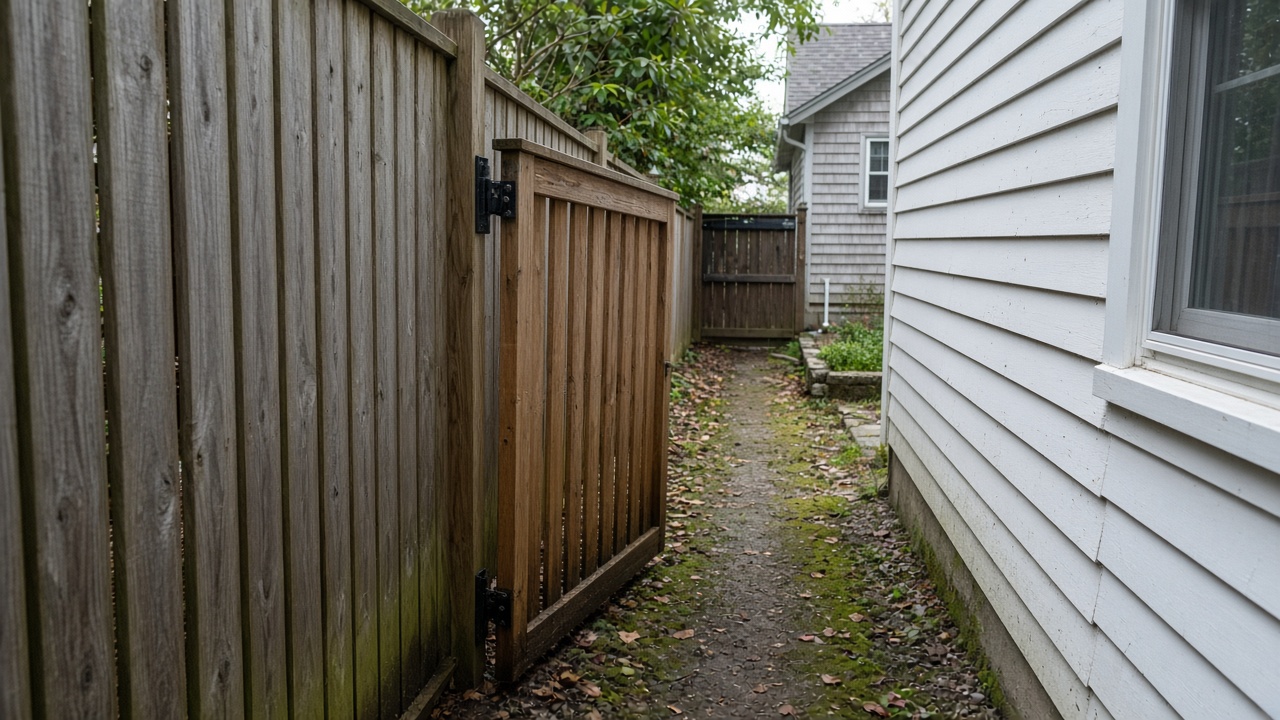
Peninsula and older Dartmouth lots often have narrow side yards, rock walls, and mature hedges. Crews size equipment to the path: compact or low-profile grinders for gates, larger tracked units when the driveway is open. Measure the gate, note fences and soft turf, and flag irrigation heads or landscape lighting. Rocky glacial till common in parts of Nova Scotia increases tooth wear—honest quotes account for rock and embedded stone.
Process on work day
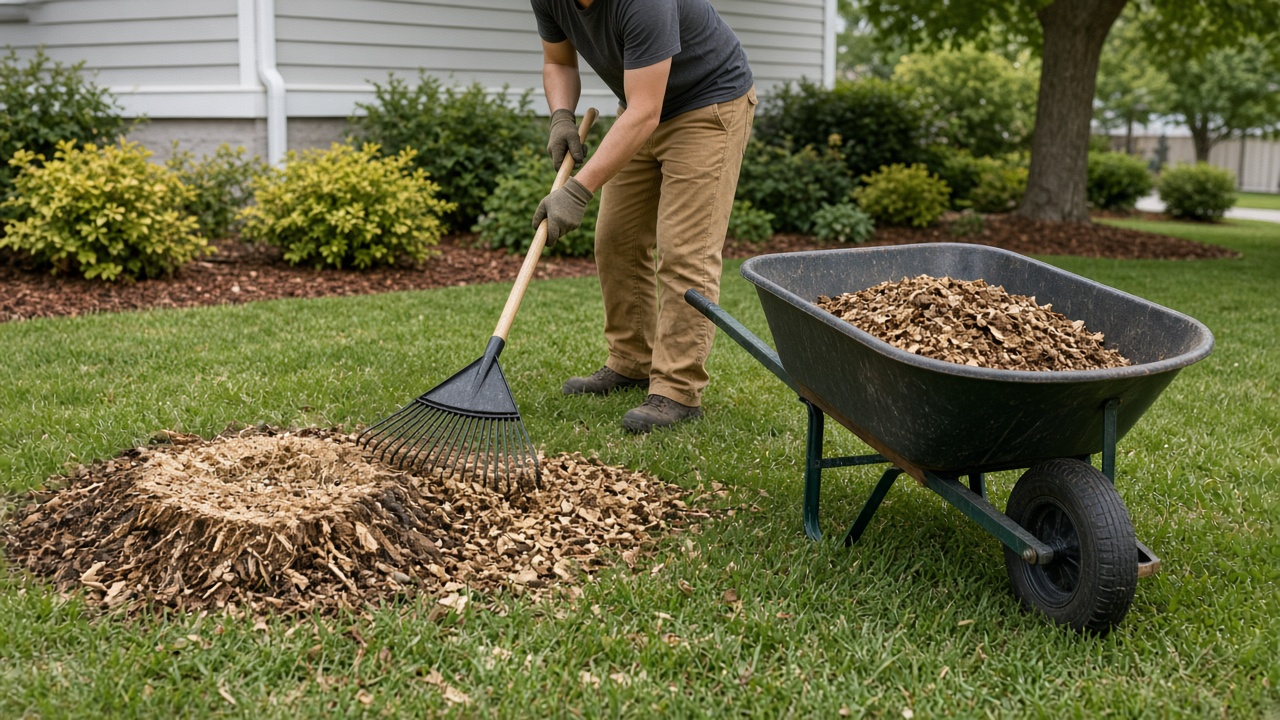
Typical industry sequence: clear loose rock, position the machine, grind in passes, chase agreed surface roots, rake, and manage chips as scoped. Protection boards on turf or driveways reduce scarring. You should know before arrival whether chips stay in the hole, pile for mulch, get spread, or leave the property.
Pricing factors (Canadian market bands)
Quotes change with diameter at ground level, stump count, access, grind depth, surface-root chasing, chip haul or leave, travel, and any job minimum. Ask for those details in writing so you can compare equivalent scopes.
- Diameter and hardwood density
- Root flare and surface-root add-ons
- Access and machine size
- Grind depth
- Chip haul and restoration
Regrowth, utilities, and chemicals
Some species sucker after the stump is gone. Grinding alone does not guarantee zero sprouts. Plan to clip new shoots or discuss root chasing. Call for utility locates before grinding near known lines. Chemical stump products rarely replace a grinder on a homeowner timeline according to experienced grinders on public forums.
Private property vs HRM public trees
Fully private stumps generally do not need HRM’s public-tree permit. Public trees under By-law T-600 do. When the trunk sits near a boulevard or sidewalk, call 311 before you assume a private crew can grind.
Related reading on this site: root removal, mulch and cleanup, and multi-stump clearing.
Choosing a quote in Halifax
Ask every bidder the same questions so you are not comparing a shallow grind with chips left to a deep grind with haul-away and seed. Align on diameter measurement at grade, depth in inches, surface-root chasing, machine access assumptions, chip handling, restoration, and whether HST is included. A much lower number often means shallower work or chips left in a pile you must move yourself.
Insurance matters on Halifax tree work. Ask for proof of coverage before the machine arrives. ISA certification is a useful signal for full arborist firms; stump-only specialists may still be competent—verify insurance either way.
Seasonal timing in Nova Scotia
Grinders can work most of the year when the ground is not a skating rink of mud or frozen solid around the stump. Spring and post-storm seasons create backlog because felling spikes first and grinding follows. If a stump has sat for years, older wood can be softer—but rocks and root flare still set the pace. Coastal lots and till soils with embedded stone increase tooth wear; honest crews mention that up front.
Planting after a grind
If you want a new tree in the same footprint, deeper grinding plus removal of excess chips and addition of quality soil matters more than a cosmetic four-inch pass. Keep new trees a sensible distance from foundations—ten feet is not always enough for large species, as arborists note in public advice threads. For lawn only, a standard below-grade grind, rake, soil skin, and seed is usually enough if you accept settling top-ups later.
What to photograph for a faster estimate
- Full stump from standing height and a close shot of the cut face
- A tape, boot, or shovel for scale at ground level
- The path from street or driveway to the stump
- Fences, sheds, play structures, and neighbouring features
- Any visible surface roots you want chased
Note whether the tree was softwood or hardwood if you know. Maple and oak flares behave differently from spruce. Mention septic fields, wells, and buried pet fencing. The better the intake package, the fewer surprises on the day.
Aftercare checklist
Keep children and pets away from fresh chip piles until raked. Water new seed if included. Watch for suckers on aggressive species and clip early. If the cavity sinks, add soil rather than assuming the grind failed. Save the written scope; it is your reference if depth or haul-away was misunderstood.
Stump grinding FAQs
How far down do you grind a stump?
Typical residential jobs land about four to six inches below grade for grass or mulch cover, and deeper when planting directly over the spot. Some scopes call for about 6–12 inches. Match depth to end use and confirm on the quote.
What’s the difference between stump grinding and stump removal?
Grinding chips the stump below grade in place. Full removal excavates the stump and major roots. Grinding is usually faster and gentler on lawns; excavation is better when organics must not remain under structures.
How long does professional grinding take?
With a commercial machine on site, many single stumps are measured in minutes of cutting time; mobilization, prep, and cleanup dominate the visit. Large root flares or tight access take longer.
Is grinding enough if I want to pour a driveway or slab later?
Usually no. Remaining wood and chips can rot and settle under concrete. Excavate organics and compact proper fill for structural work.
Will grinding stop the tree from growing back?
Grinding removes the stump mass but living roots of some species can still sucker. Plan to cut sprouts or discuss treatments and root chasing for aggressive species.
Can grinders fit through a normal side gate?
Many crews use low-profile or compact grinders for narrow urban access; open driveways allow larger machines. Measure the gate and send a photo of the path.
Should I clear rocks around the stump first?
Yes when safe — loose rock damages teeth and becomes projectiles. Pros often shovel around the stump before cutting.
Is DIY chemical stump remover a good alternative?
Chemical stump-killer products rarely speed decay enough to replace grinding on a homeowner timeline.
Does grinding cost extra if the tree company already felled the tree?
Often yes — grinding is commonly a separate line item or a follow-up visit, and can be booked even if another company did the felling.
What Halifax tree species should grinders expect?
Crews working Dartmouth and Halifax commonly encounter maple, spruce, birch, and similar urban species; hardwood density and root flare affect time.